You've watched the YouTube videos. You've tried the treat lure. You've read the Reddit threads. And your dog is still pulling on the leash, ignoring your recall, or lunging at other dogs. Sound familiar?
The truth is, most dog owners try to handle training themselves before ever considering a professional. And that's fine — some dogs respond well to consistent DIY training. But there are clear situations where professional help isn't just helpful, it's necessary. Here are seven signs it's time to stop guessing and call a trainer.
SIGN 1: YOUR DOG IS SHOWING AGGRESSION
This is the most important sign on the list. If your dog is growling, snapping, lunging, or biting — at people, other dogs, or animals — you need professional help. Full stop.
Aggression is not a behavior you can fix with treats and YouTube tutorials. It requires a professional who can accurately diagnose the type of aggression (fear-based, territorial, resource guarding, redirected) and implement a behavior modification plan that's specific to your dog. Getting it wrong doesn't just fail — it can make the aggression significantly worse and put people at risk.
If your dog has bitten anyone, or if you feel unsafe around your own dog, this is urgent. Don't wait for it to “get better on its own.” It won't.
SIGN 2: YOU'VE TRIED DIY TRAINING FOR 4+ WEEKS WITH NO PROGRESS
There's a difference between slow progress and no progress. If you've been consistently working with your dog for a month — following a structured program, practicing daily — and you're seeing no improvement, something is off. Either the approach isn't right for your dog, you're inadvertently reinforcing the wrong behaviors, or the issue is more complex than basic obedience.
A professional can diagnose in one session what might take you months to figure out on your own. That's not a knock on you — it's the value of experience. A trainer who's worked with thousands of dogs can read body language, identify triggers, and adjust approaches in real time in ways that no video tutorial can teach.
SIGN 3: THE BEHAVIOR IS GETTING WORSE, NOT BETTER
This is a major red flag. If your dog's pulling, reactivity, barking, or anxiety is escalating despite your efforts, you're likely in a pattern where the unwanted behavior is being accidentally reinforced. This is extremely common and extremely hard to see when you're in the middle of it.
Escalation means the window for easier correction is closing. Behavioral patterns that become deeply practiced are harder (and more expensive) to change. The sooner you get professional intervention, the faster and more affordable the fix.
SIGN 4: THERE'S A SAFETY CONCERN
Safety isn't just about aggression. It includes:
- A dog that bolts out the front door and won't come back
- A large dog that pulls so hard on leash that you or a family member could fall
- A dog that resource guards from children in the home
- A dog with severe separation anxiety that's destroying the house or injuring themselves
- A dog that's a flight risk (escapes the yard, slips collars, runs toward traffic)
When safety is involved, speed matters more than budget. An evaluation is the fastest way to get a clear action plan.
SIGN 5: A MAJOR LIFE CHANGE IS COMING
Having a baby. Moving to a new home. Adding a second dog. Returning to the office after working from home. These life transitions create stress for dogs and often trigger behavioral issues that weren't there before.
The smart move is to get professional training before the change happens — not after the problems start. If you're expecting a baby in three months and your dog jumps on everyone and has poor impulse control, now is the time to invest in a board and train or intensive private session program. Don't wait until you're sleep-deprived with a newborn and an untrained dog.
SIGN 6: YOU HAVE SPECIFIC GOALS YOU CAN'T REACH ALONE
Maybe your dog is “fine” in most situations but you have a specific goal that requires professional expertise:
- Reliable off-leash recall in distracting environments
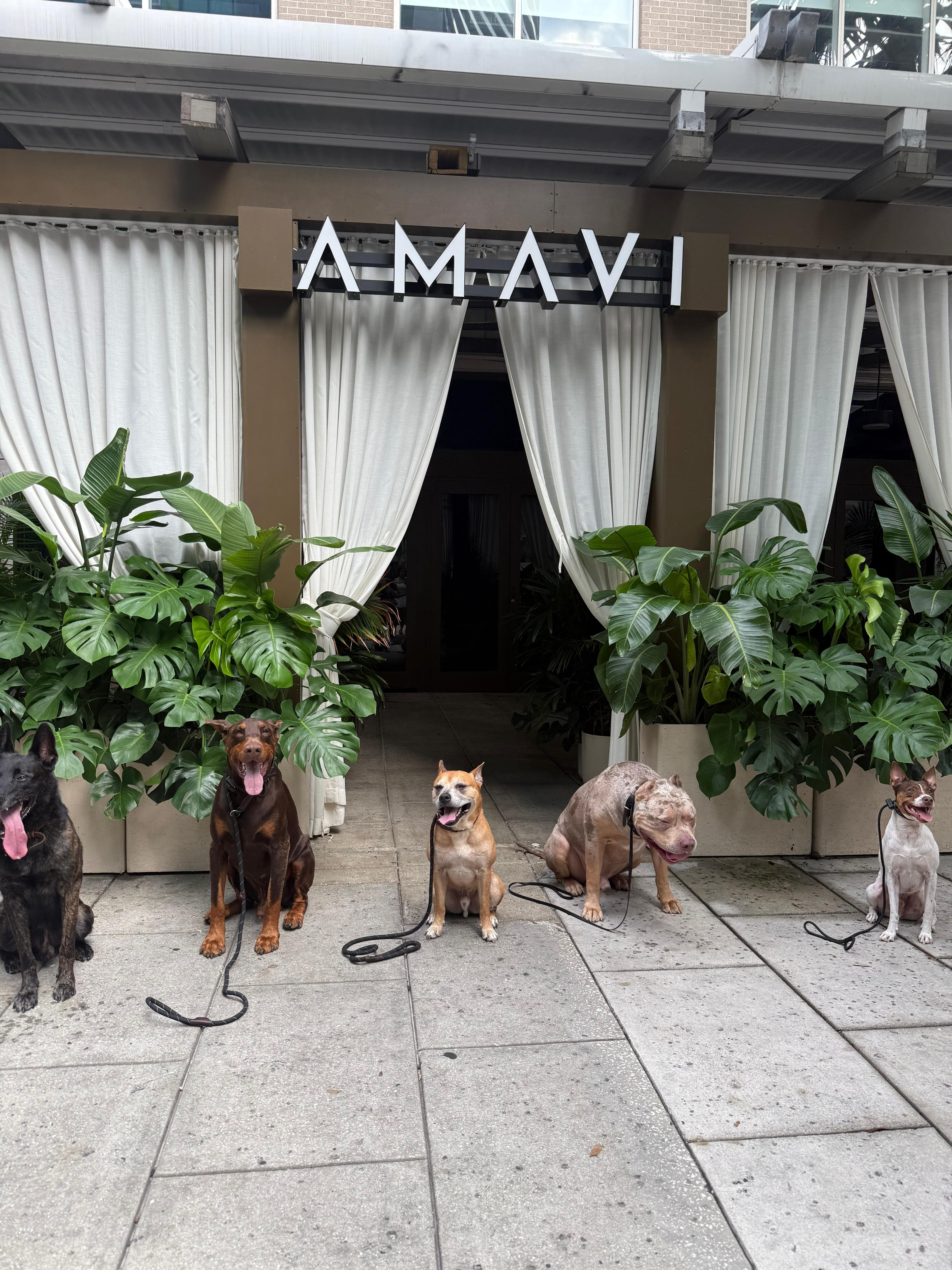
- Calm behavior at outdoor cafes, breweries, or public spaces
- Therapy dog or service dog certification preparation
- Multi-dog household management
- Advanced obedience or competition-level training
- Transitioning a rescue dog with unknown history into your family
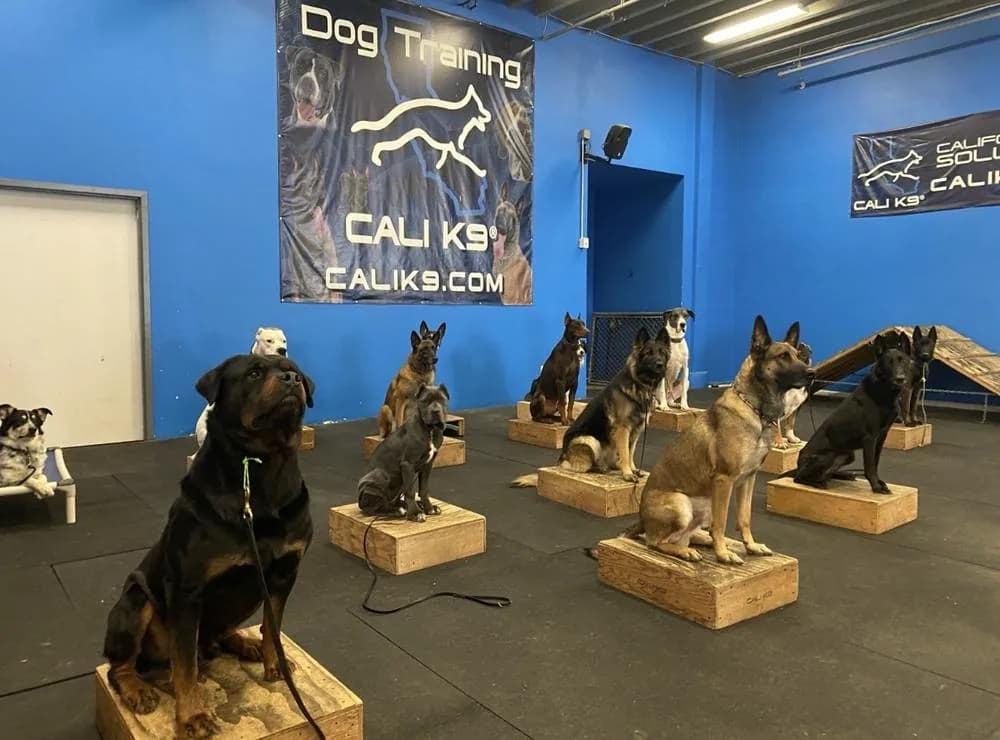
These goals require more than basic obedience — they require structured, progressive training with professional guidance. An in-person training program can take your dog from “pretty good” to exceptional.
SIGN 7: YOU'VE SPENT MORE TIME RESEARCHING THAN TRAINING
If you've downloaded three apps, bought two books, bookmarked 47 YouTube channels, joined four Facebook groups, and you're still not sure which approach to use — that's analysis paralysis. And it's more common than you'd think.
The problem with free online content is that it's often contradictory. One trainer says use a prong collar. Another says never use any tool. One says ignore barking. Another says redirect it. Without a professional who knows your specific dog, you're assembling a training plan from random, sometimes conflicting advice.
One session with a professional gives you a single, clear, customized plan. That's worth more than a thousand hours of internet research.
“The owners who make the fastest progress aren't the ones who tried the hardest on their own. They're the ones who recognized when they needed help and got it quickly.”
DIY VS. PROFESSIONAL: WHEN EACH MAKES SENSE
DIY training works well when:
- You have a young puppy with no behavioral issues and you want to build basic obedience
- The behaviors are mild (occasional pulling, mild jumping, basic manners)
- You have daily time to commit and a structured program to follow
- You're seeing steady, measurable progress
Professional training is the better path when:
- Any of the 7 signs above apply
- The behavior involves aggression, anxiety, or reactivity
- You need results on a timeline
- You've tried DIY and it's not working
- The dog is large, powerful, or has a complex history

WHAT TO EXPECT FROM PROFESSIONAL TRAINING
If you've never worked with a professional trainer before, here's what the process typically looks like at Cali K9:
- Evaluation — A 30-45 minute behavioral assessment. The trainer observes your dog, asks about their history and your goals, identifies the root causes of the behaviors, and recommends a specific program.
- Program recommendation — Based on the evaluation, you'll get a clear recommendation: private sessions, board and train, online program, or group classes. A good trainer will recommend what your dog actually needs, not what's most expensive.
- Active training — Whether it's weekly sessions or an immersive program, this is where the behavior change happens. Professional training is structured, progressive, and adjusted to your dog's responses in real time.
- Owner education — The most important part. You need to understand why your dog does what they do and how to maintain the training at home. A program without owner education is incomplete.
- Follow-up — Good programs include follow-up support to ensure the training sticks in real life.
NEXT STEPS
If any of these signs resonated with you, the best next step is simple: book an evaluation. At Cali K9, evaluations are $27 and give you a complete behavioral assessment, a custom training roadmap, and a program recommendation — whether that's one of our programs or not.
You don't need to commit to anything. You just need to understand what's going on with your dog and what it'll take to fix it. That clarity alone is worth the conversation.